
—— 发布时间:2026-11-01 ——
【题 目】理解孩子:父母信念、青少年心理健康与学业表现 (Understanding Children: Parental Beliefs, Adolescent Mental Health, and Academic Performance)
【时 间】2026年11月17日(星期二)上午10:00-11:30
【地 点】后主楼1610
【主讲人】夏一鸣助理教授,西南财经大学
【主持人】徐慧副教授,北京师范大学、人的发展经济学研究中心
Abstract:
Do children benefit when parents understand them better? We evaluate a “test–feedback” intervention that provided parents with personalized information about their children’s abilities and interests. Six months later, the intervention reduced adolescents’ CES-D scores by 0.12 standard deviations and depression prevalence by 5 percentage points. It also improved the alignment of parental beliefs with children's characteristics, reduced students’ stress, and increased self-esteem. The test-score effects were small but masked substantial differences across grades: the intervention increased achievement by 0.12 standard deviations among students in their first year of middle or high school but reduced it by 0.07–0.09 standard deviations among students in their second year.
摘要:
当父母更加了解孩子时,孩子是否会从中受益?我们评估了一项“测评—反馈”干预,该干预向家长提供有关其子女能力和兴趣的个性化信息。六个月后,干预使青少年的流调中心抑郁量表(CES-D)得分降低了0.12个标准差,抑郁检出率下降了5个百分点。干预还使父母对孩子的认知更加符合孩子的实际特征,减轻了学生的压力,并提升了其自尊水平。干预对考试成绩的总体影响较小,但这一结果掩盖了不同年级之间的显著差异:干预使初一或高一学生的学业成绩提高了0.12个标准差,却使初二或高二学生的成绩降低了0.07—0.09个标准差。
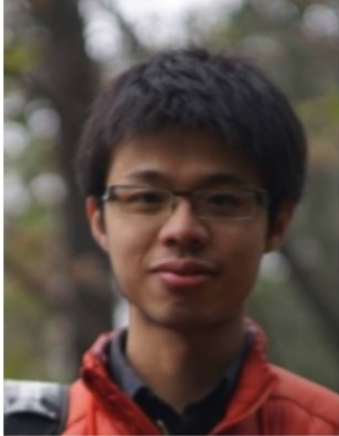
夏一鸣,西南财经大学经济与管理研究院助理教授,伦敦大学学院经济学博士。主要研究领域为劳动经济学,结合实地实验与微观计量方法,重点考察家庭与学校环境对人力资本形成的影响,以及激励机制在促进健康行为中的作用。
 人的发展经济学研究中心
(China Center for the Economics of Human Development,CCEHD)由...

扫一扫,关注我们
人的发展经济学研究中心 地址:北京市海淀区新街口外大街19号京师大厦9504室
